
Searching St. James Parish Civil Dockets
Civil docket questions at the district level in St. James Parish start with the St. James Parish Clerk of Court. The Clerk offers no general civil case-search form online. Its Records page covers only conveyance and mortgage records. That is not the same as a civil petition, docket, or judgment search. So your first job is figuring out where the case lives. It may sit in the 23rd Judicial District Court, a justice-of-the-peace court, a mayor's court, or a land-record channel.
re:SearchLA is a statewide court-records product. The Clerk's official pages do not confirm St. James participation, though. If the parish does not appear, or a case is missing, try another route. Use the Clerk's counter, the civil telephone lines, mail, or a records request.
- Collect the case number if known, filing year, party role, division, filing type, and the item requested.
- Call the civil Clerk line to ask whether the docket can be publicly inspected and whether the record needs a copy request.
- Confirm St. James participation before using re:SearchLA Cases or Filings as a search channel.
- When a docket is found, read the chronological entries and identify the latest setting or signed order.
- Request the underlying petition, judgment, order, or exhibit separately, stating whether a plain or certified copy is needed.
- Use the correct lower-court office if the matter is a justice-of-the-peace or municipal case rather than a 23rd JDC case.
St. James Civil Clerk Routes
For civil matters, the St. James Parish Clerk lists two phone lines: 225-562-2270 and 225-562-2360. The district-court counter sits at 5800 LA Highway 44, 2nd Floor, Convent, Louisiana 70723. Mail goes to P.O. Box 63, Convent, Louisiana 70723. The office publishes no docket-copy form. It posts no set copy fee, no response time, and no counter cutoff. Ask the Clerk which details and payment method a request needs before you send anything.
St. James Parish Clerk of Court
5800 LA Highway 44, 2nd Floor
Convent, LA 70723
Civil: 225-562-2270 or 225-562-2360
District-court civil docket inspection, copy, and certification routing.
CottFile is the Clerk-linked Louisiana Clerks of Court Association (LCRAA) electronic filing and submission-status system. It is not public access to the St. James civil register. Under the Clerk's 2025 procedures, a filing counts as official only once accepted.
Inside a St. James Parish Civil Docket
A civil docket names the case and the parties. It also gives a dated trail of events. You may see a petition, an answer, a motion, an order, a notice, a setting, a judgment, or an appeal listed there. St. James publishes no public sample civil register. So treat the field descriptions below as a checklist for reading the live record. A "filed" event only proves the paper went in. It does not prove the court granted what was requested.
| Case and assignment | Case number, filing date, division, judge, caption, and case type where available; the local number format was not published. |
|---|---|
| Parties and counsel | Plaintiff or petitioner, defendant or respondent, attorney, and party roles, subject to restrictions. |
| Initiating and response events | Petition, service, answer, exception, cross claim, reconventional demand, or third-party demand. |
| Motion and setting trail | Motions, notices, orders, hearing dates, status conferences, pretrial settings, continuances, and related cases. |
| Outcome layer | Judgment, dismissal, satisfaction, appeal, costs, or restricted/redacted entry if the record displays it. |
Work through the event trail by date, then find the newest order or setting. An entry can point to a document without showing its full text. When you need a judgment or order copy, the Clerk can explain the current plain-copy or certification route.
St. James Civil Docket Allotment
The 23rd JDC is the general-jurisdiction civil court for St. James Parish. It has six divisions. Louisiana district-court rules call for random civil allotment by case category. State-filed paternity and civil-support matters go to Division B. A division assignment is not a search key you get to pick. The 23rd JDC also serves Ascension and Assumption Parishes. But the St. James side of the unified Clerk holds the record for a St. James civil docket.
The 23rd JDC Division C page shows what a division can post. It lists division-specific contacts, pretrial resources, and case-management material. A division is often the right place to confirm a live civil setting. The Clerk remains the starting record custodian for a St. James civil docket.
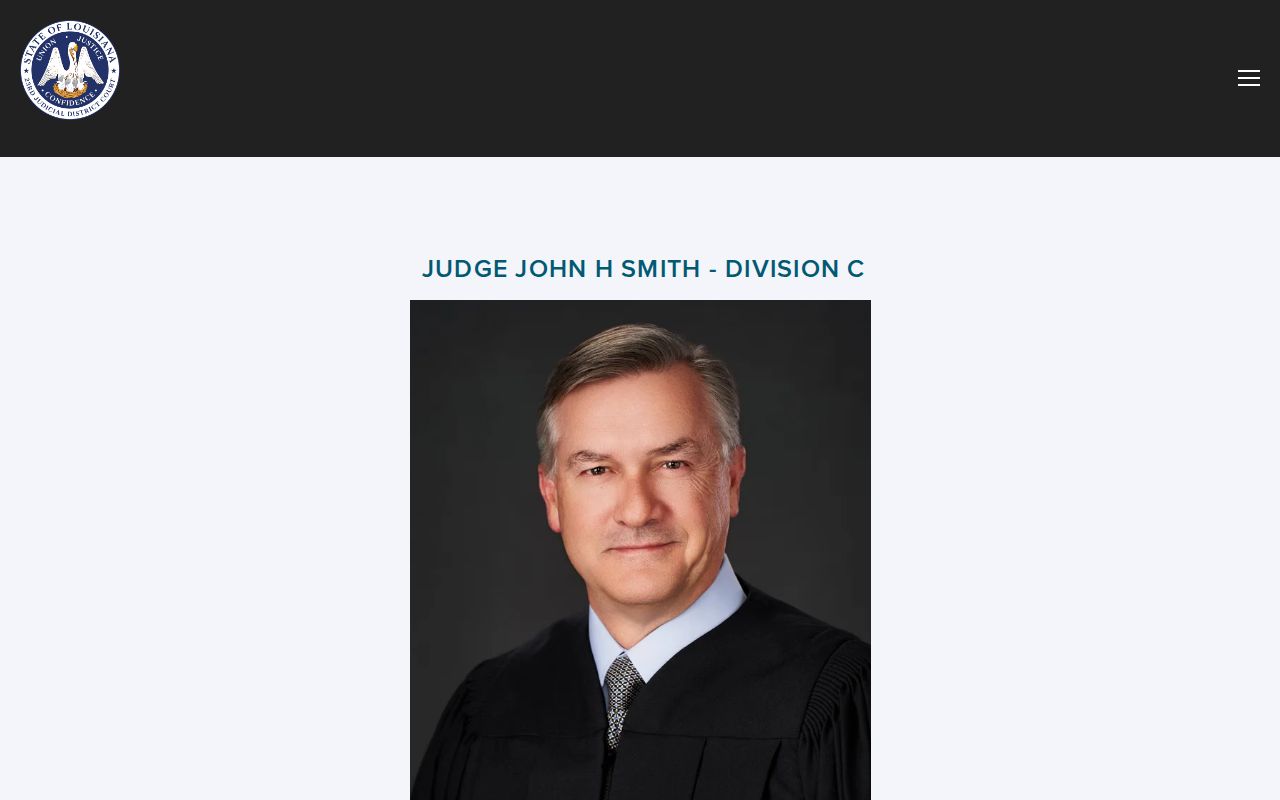
Division pages give helpful contacts and procedure notes. They still do not replace a countywide public civil case-search form.
Civil Case Types on the Docket
The St. James civil filing schedule lists local categories. Those labels can help you figure out what kind of case you are chasing. They do not prove an online docket result or current status. A district civil filing might be a divorce, a damages claim, an open account, or a promissory note. It could also be a succession, an adoption, executory process, mandamus, tutorship, or another listed category. Smaller civil matters may sit elsewhere. They may appear on one of the parish's justice-of-the-peace dockets instead.
- Petitions for divorce, damages, open account, promissory note, or executory process.
- Succession, double succession, tutorship, and adoption matters.
- Executory judgment, garnishment, sequestration, and judgment-debtor examination proceedings.
- Rules, amended or supplemental petitions, cross claims, reconventional demands, and third-party demands.
- State-filed paternity and civil-support matters assigned under the local rules.
St. James Civil Filing Categories
The Clerk's civil filing-fee schedule, effective August 1, 2025, is a cost reference for new filings. It helps show how civil cases are classified locally. It is not a docket-search tool, and its numbers are not a price list for court-file copies or certification. Every filing amount listed covers one service. Each additional service is listed at 100 dollars.
| Filing category examples | Published filing fee |
|---|---|
| Divorce, damages, open account, promissory note, succession, adoption, and executory process | $400 |
| Double succession | $500 |
| Executory judgment or garnishment | $450 |
| Tutorship, sequestration, name change, rules, and listed incidental demands | $300 |
| Judgment-debtor examination or subpoena/duces tecum | $250 or $100 |
The published schedule is the source for the filing figures above.
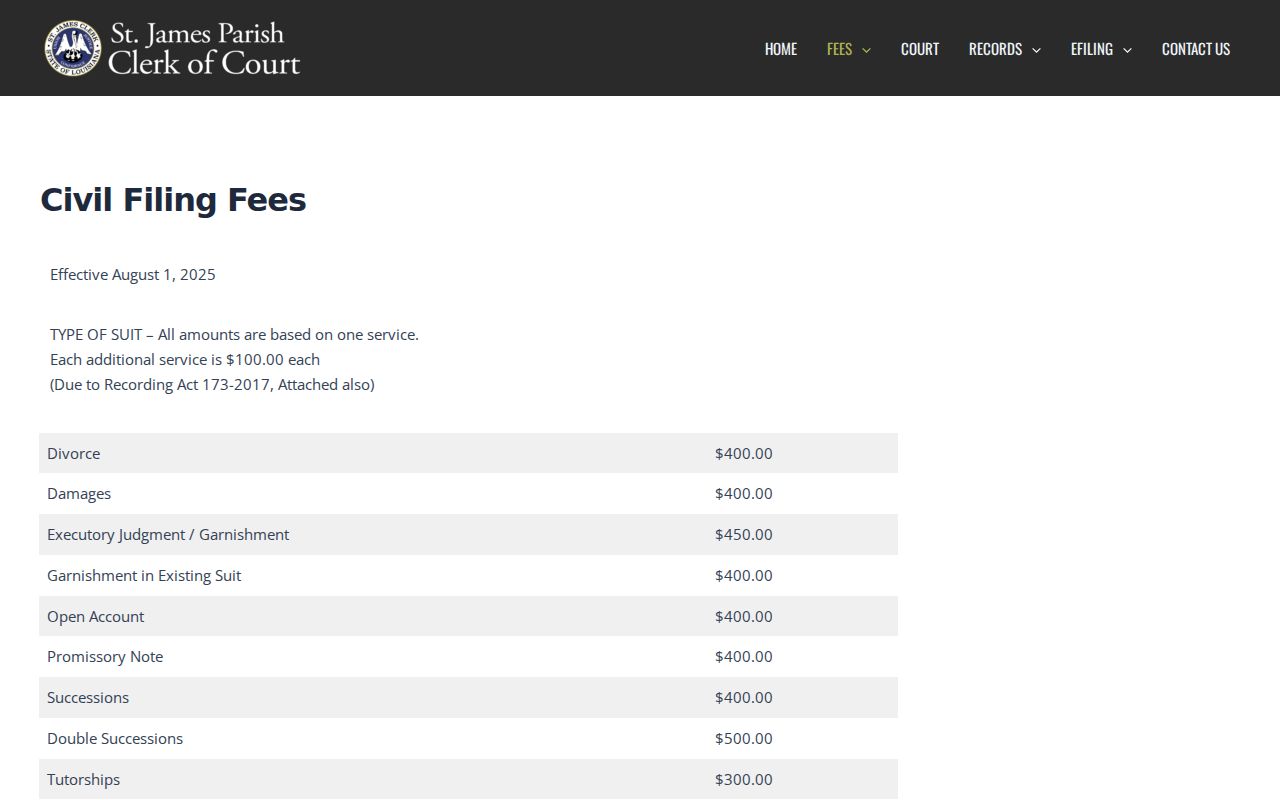
Before paying anything, ask the civil Clerk for the current amount and payment route for a court docket, judgment, or certification. A filing fee should never be applied to a records request.
Civil Docket Settings and Hearings
Civil dates can surface in several places. You may find them on a docket, a notice of setting, an order, a division confirmation, or the 23rd JDC Duty Calendar. The Duty Calendar is marked for official use. It does not offer a countywide name or case-number lookup. For one specific case, the strongest source is the latest signed order or notice. Pair it with confirmation from the assigned division. One trap: a calendar entry can keep an older date after a continuance or reset.
The record may reflect a hearing, a status conference, a pretrial setting, a trial, or a family rule. Save the case number, date, time, and location from every notice. If a date has passed, ask the division. Find out whether the matter was continued, reset, passed, called, or restricted. A blank calendar does not mean the case was dismissed.
St. James Civil Family Settings
For family matters in Division E, scheduling runs through a Calendly workflow the division publishes for family pre-rule status conferences. The workflow picks status dates for cases already open. New cases get their date later, once pleadings are filed and allotted. A confirmation email then arrives with the date, time, and Zoom details. Remember what this tool is not. It sets family conferences. It is not a general civil docket search, and it proves nothing about any hearing outcome or judgment.
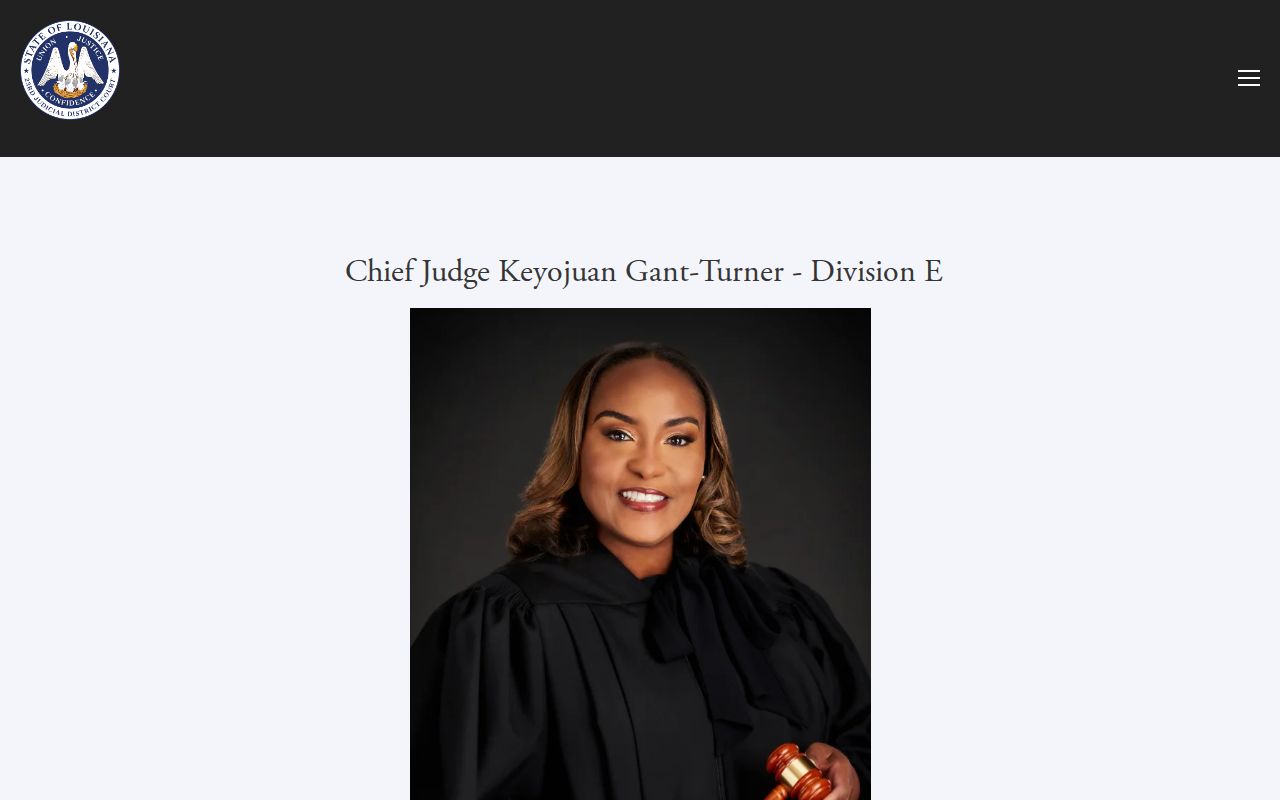
That workflow illustrates something practical about St. James Parish civil practice. The Clerk of Court handles filings, while a separate division path confirms your actual setting date for the docket.
Civil Docket Access Rules
Louisiana law puts the court record in the Clerk's hands. C.C.P. art. 251 names the clerk as custodian. It permits examination and copying during office hours. That right stays subject to law. The Louisiana Public Records Law adds its own right to inspect public records. Neither right promises instant online images or a copy of every page. Family, adoption, sealed, and protected information stays restricted. A certified copy is a separate product you order from the Clerk.
Louisiana access rules:
C.C.P. art. 251 makes the clerk the court-record custodian and provides for examination and copying subject to law.
R.S. 44:31 states the public right to inspect, copy, or reproduce a public record unless an exception applies.
R.S. 44:32 addresses inspection, separation of public from nonpublic material, and written determinations when public status is disputed.
R.S. 44:35 supplies the court remedy framework when access is improperly denied or delayed.
What if a file mixes public and protected material? Ask for the releasable portion. A parishwide public-records request is not the same thing as a court-docket request. Name the Clerk as custodian before you file one. If access gets denied, request the legal basis in writing and keep it. One caution on fees: the Clerk's published copy and certification charges are land-record figures, not established district-court copy prices.
St. James Civil Docket Limits
Three products get confused constantly in St. James Parish. There is the public docket, the filed pleading, and the certified copy. The docket is simply the event trail. A pleading or judgment sits behind an entry, and it may not be online at all. A certified copy adds the Clerk's certification to that same document. The conveyance and mortgage channel is different again. It indexes land instruments, not civil petitions or judgments.
| Record layer | What it supplies | Important limit |
|---|---|---|
| Public civil docket | Chronological filings, settings, orders, and outcome entries | May not include every document image |
| Filed pleading or judgment | Text of a petition, motion, order, or judgment | Can require a separate copy request or be restricted |
| Conveyance or mortgage record | Recorded land instruments | Not the St. James civil docket |
The 23rd JDC Orders and Forms page supplies court forms and procedural resources for civil matters. It offers no public civil case register, though, and no St. James docket-copy request form.
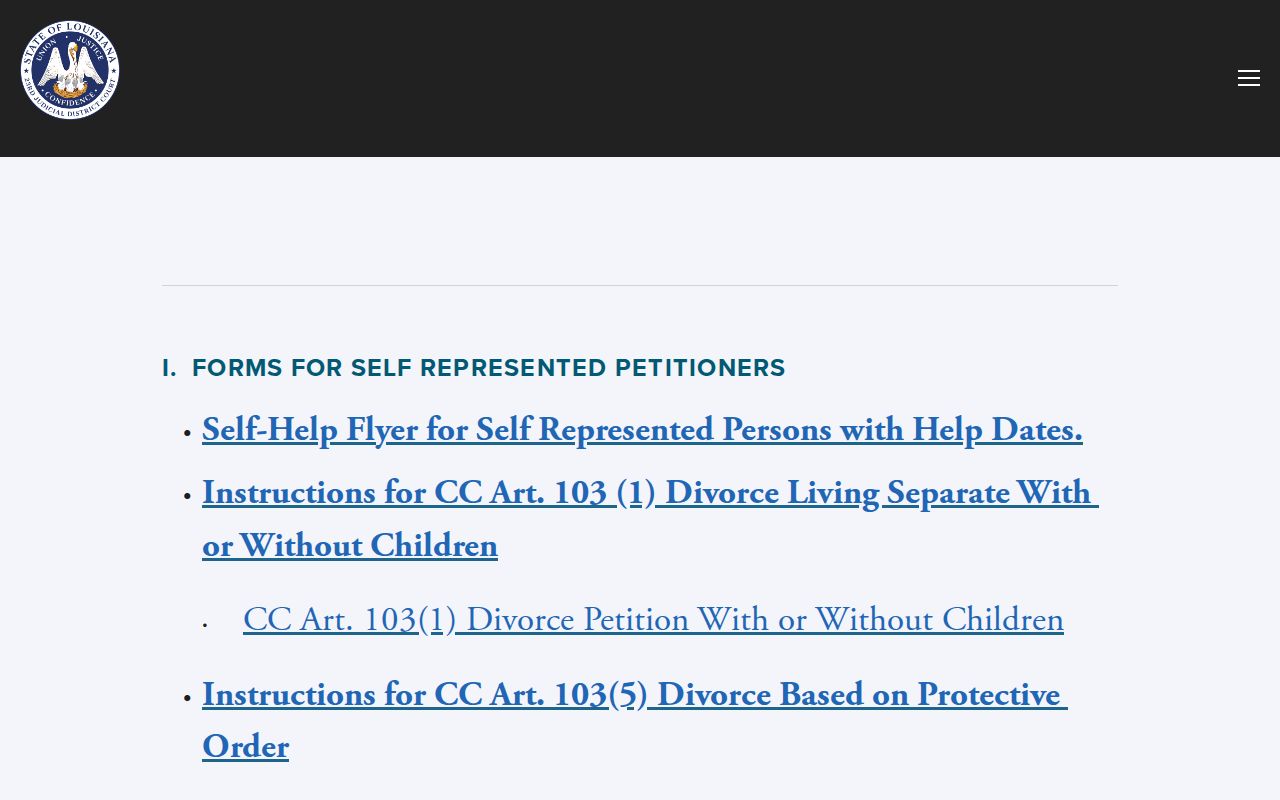
Forms help you recognize a civil process when you see one. The docket and its documents still come from the Clerk or an authorized access channel for that case.
St. James Civil Appeal Trail
A civil case in St. James Parish does not end at the trial court. Once a notice of appeal goes in, the record moves up. A second docket opens in the Louisiana Court of Appeal, Fifth Circuit. That appellate docket carries its own case number. It also has its own settings. It sits alongside the 23rd JDC civil docket, not in place of it. The trial-court trail still matters. The filing, the order, the judgment, and the notice of appeal that started the appeal all live there.
For a closer look at how one judge handles civil settings, the 23rd JDC Division D page posts division-level pretrial and order resources. When an appeal or transfer is entered, the civil docket should show that event. If the online record looks thin, ask. The Clerk or the division can confirm what the current file holds.
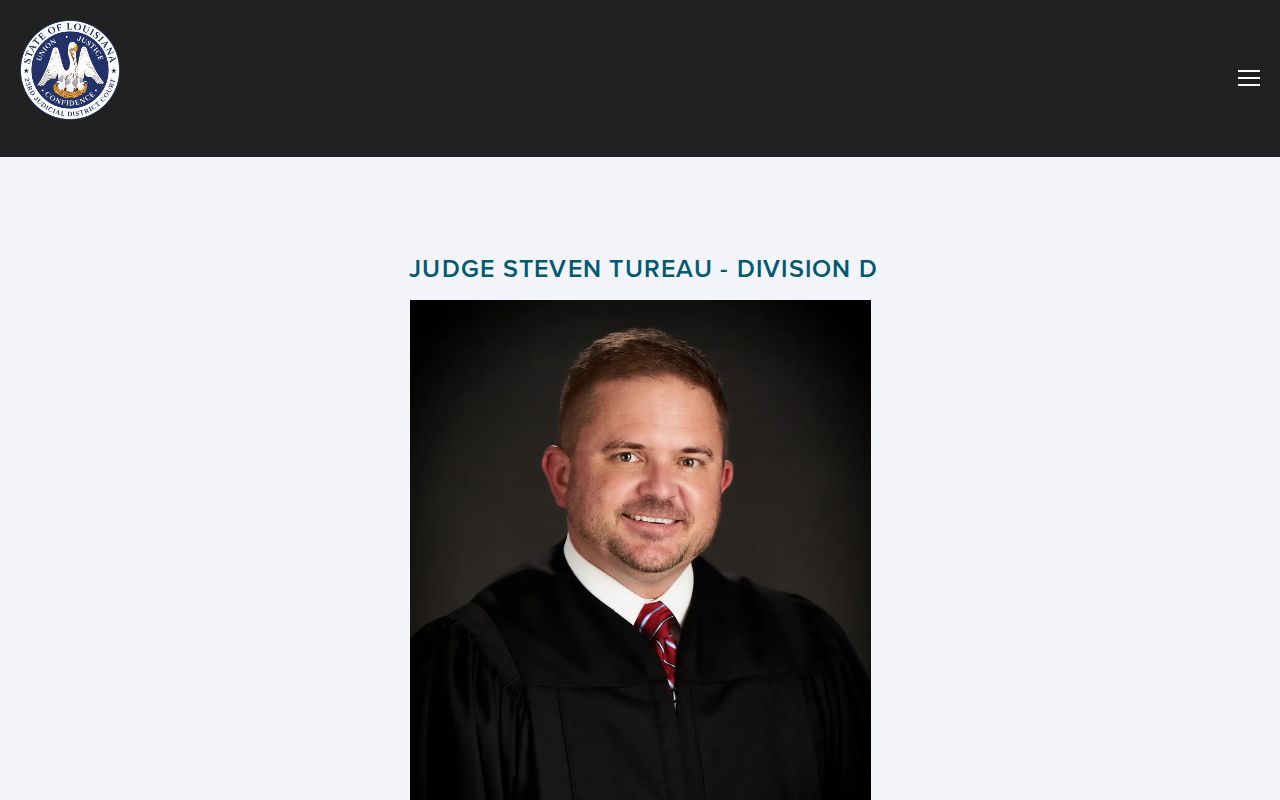
Division pages connect trial-court procedure to a particular civil case. Once an appeal opens, the appellate court keeps a record of its own.
St. James Civil Docket Contacts
Unclear about a future setting? Ask the assigned division, which can confirm scheduling directly. Its public pages are helpful but limited; they are not a universal calendar or a St. James docket-code list. The Clerk keeps the court record, while division staff answer setting questions specific to their court. The 23rd JDC Division F page is one more official division resource. It is useful for finding the right office for a scheduling question. It does not serve as a civil docket search.
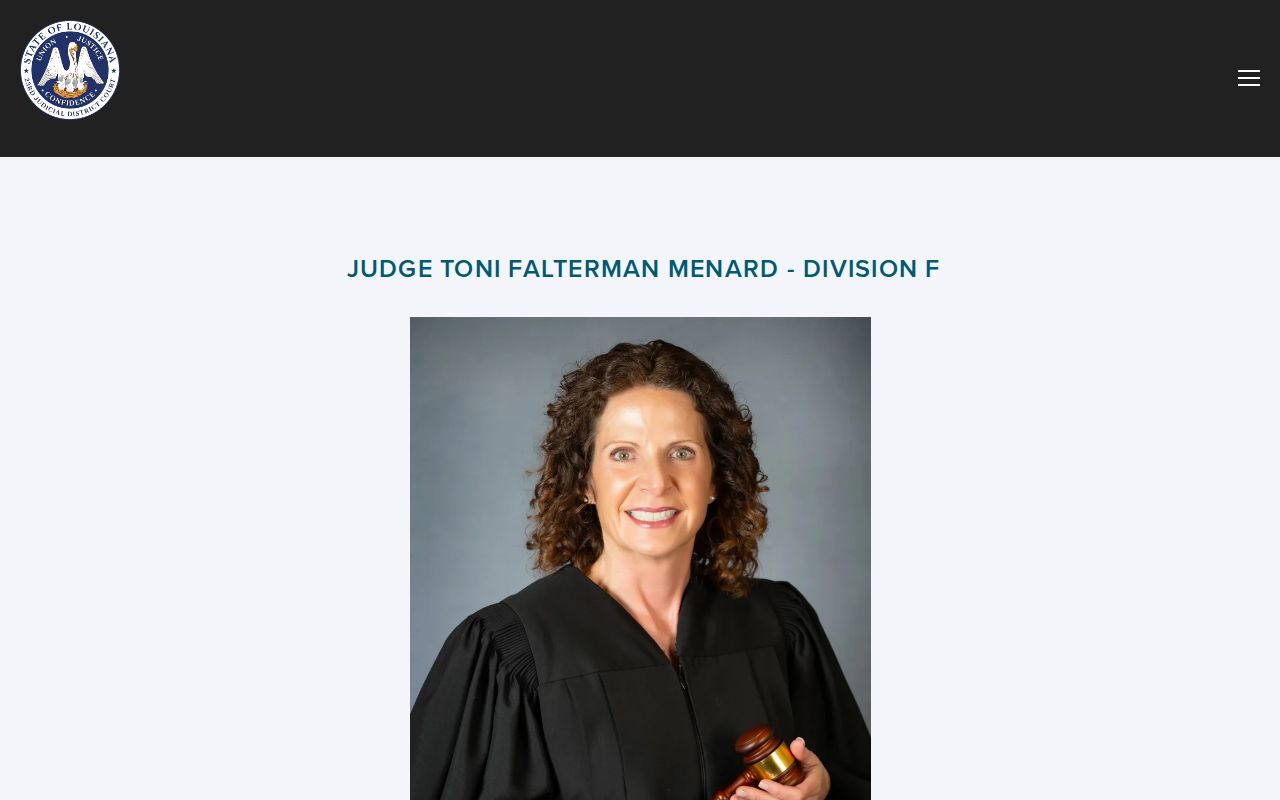
For a current hearing, confirm with the case's assigned division. Keep your most recent notice or order as the case-specific reference.